
Hong Kong's spirits-duty cut moved 20% more liquor into the city — but not into your glass
Since October 2024 the duty on premium spirits fell from 100% to 10%. Import volumes are up more than 20% and their value has nearly doubled — yet bar receipts still fell. Here's the gap between the trade story and the drink in your hand.
Fact-checked 11 October 2026
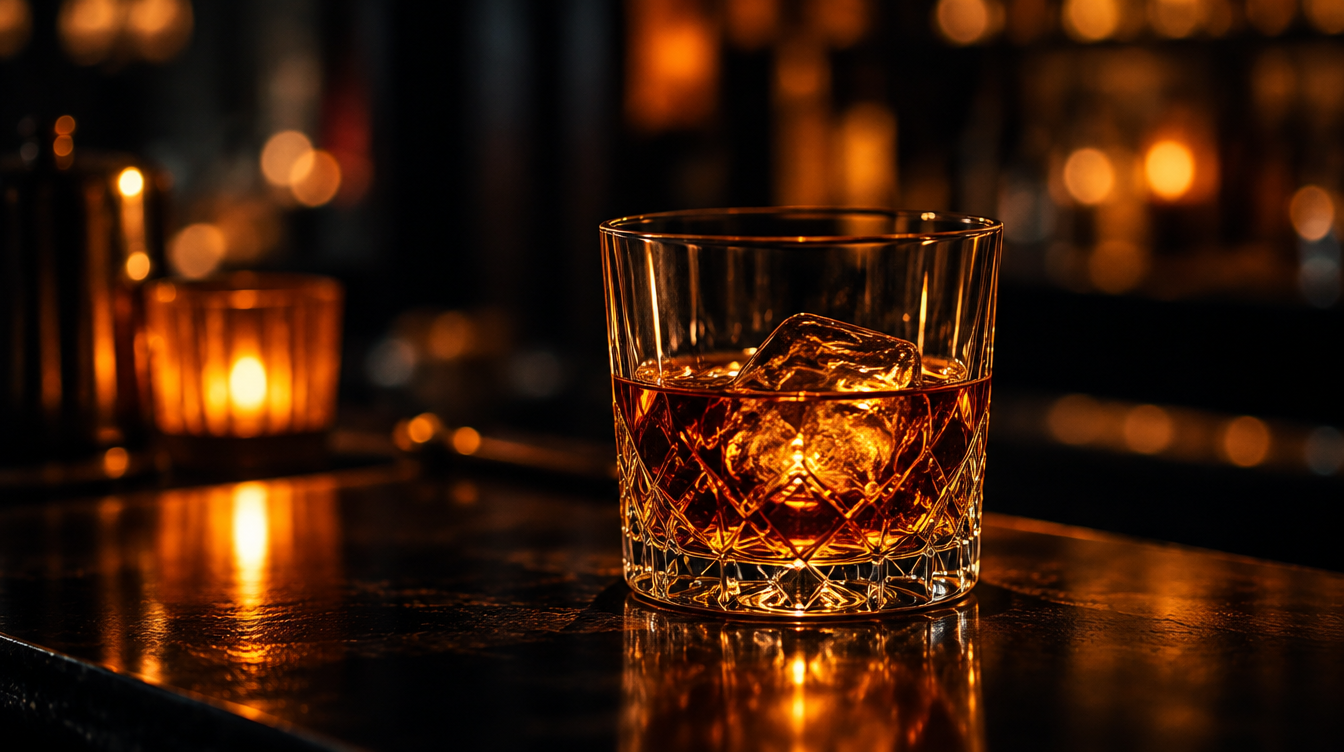
What actually got cut
On 16 October 2024 the government cut the duty on spirits stronger than 30% alcohol from 100% to 10% — but only on the portion of the import price above HK$200, and only for bottles up to a litre. Anything priced at or below HK$200 still carries the full 100%. So the cut is aimed squarely at the top shelf: the allocated Japanese whisky, not the house pour.
The trade numbers are real
And they moved. By the government's own count, in the eight and a half months to 30 June 2025 the volume of duty-paid liquor coming into Hong Kong rose more than 20%, and its value climbed close to 90%. In the first quarter after the cut, the commerce secretary put the jump in liquor trading volume at 60%. The city is importing and trading a lot more premium spirit than it was a year ago.
Your drink is a different story
Here's where we part company with the press release. A cheaper landed cost is a wholesale fact, not a menu fact. The duty only ever applied to the slice above HK$200, so on a HK$120 gin the saving is nil, and on a HK$700 bottle the saving is real but it lands on the importer and the retailer first — not automatically on the pour in front of you. Over the same window one trade tracker found premium sell-through flat rather than surging, and bar receipts in the first quarter of 2026 were down 4.0% year on year even as the wider restaurant sector grew. More liquor is landing; it isn't turning into busier nights.
What it means when you order
Two practical things. Cheaper duty is why you're seeing more serious back bars — the rare agave, the allocated whisky — in rooms that couldn't have justified the stock a year ago; the range at the top has genuinely widened. But it isn't a reason to expect your round to cost less. Where a bar has passed the saving on, it shows up at the expensive end of the list, the only place the duty actually bit. The cut reshaped what's available, not what a night out costs.
Sources
- Reduction of duty on liquor above 30% ABV — Government press release (info.gov.hk) · 16 October 2024
- Liquor duty, official trade figures — LegCo reply LCQ5 (CEDB) · 23 July 2025
- Liquor trading volume +60% after duty cut — Secretary for Commerce via SCMP · 4 March 2025
- Premium spirits sell-through stagnating — Vino Joy · 14 May 2025
- Restaurant Receipts Q1 2026, bars -4.0% — Census & Statistics Department · 6 May 2026
Frequently asked
- Did the spirits-duty cut make drinks cheaper in Hong Kong bars?
- Not across the board. The cut only applies to the portion of a bottle's import price above HK$200, so it touches premium spirits, not house pours — and the saving reaches importers and retailers before any menu. Bar receipts still fell 4.0% year on year in the first quarter of 2026.
- What exactly did Hong Kong change in October 2024?
- For spirits stronger than 30% alcohol, duty on the portion of the import price above HK$200 dropped from 100% to 10%, for containers up to one litre. Anything priced at or below HK$200 still carries the full 100%.
- Has it worked?
- For the trade, yes — duty-paid liquor imports rose more than 20% in volume and nearly 90% in value in the first eight and a half months. For bars and drinkers the effect is smaller and slower: more premium bottles are on shelves, but nights out aren't cheaper or busier yet.