
Hong Kong's Party Is Moving to Daylight: Dim Sum Raves, Coffee Raves and the Buzz Without the Booze
Hong Kong's going-out culture has grown a daytime second shift: coffee raves, day parties and dim sum raves that put a mirror ball over the yum cha trolley. It is driven by a generation that drinks less, spends with intent and wants to be home before the last train, and the rooms that read it early are the ones that will fill.
Fact-checked 25 November 2026

The most interesting party in Hong Kong this year started before lunch. Over the past twelve months the city's going-out culture has quietly grown a second shift, one that runs in daylight: coffee raves in cafes, day parties on rooftops, and, in the strangest and most Hong Kong twist of all, dim sum raves that put a mirror ball over the yum cha trolley. It is not that the night is dying. It is that a generation that drinks less, earns well and wants to be home before the last train is pulling the party into the afternoon, and the rooms that read it early are the ones that will fill.
The night out is starting in the afternoon, and young Hong Kong is writing the shift
Ask anyone who runs a room in this city and they will tell you the same thing: the clock has moved. The classic Hong Kong night, cocktail bars from five and clubs that do not fill until after midnight, still exists, but it now sits on top of a daytime layer that did not have a name two years ago. Coffee raves, day parties, matinee sets and sober socials are the new entry point, and the people filling them are overwhelmingly in their twenties. The shift is not a rejection of nightlife. It is a reallocation of it, and the numbers under it are specific enough to plan a business around.
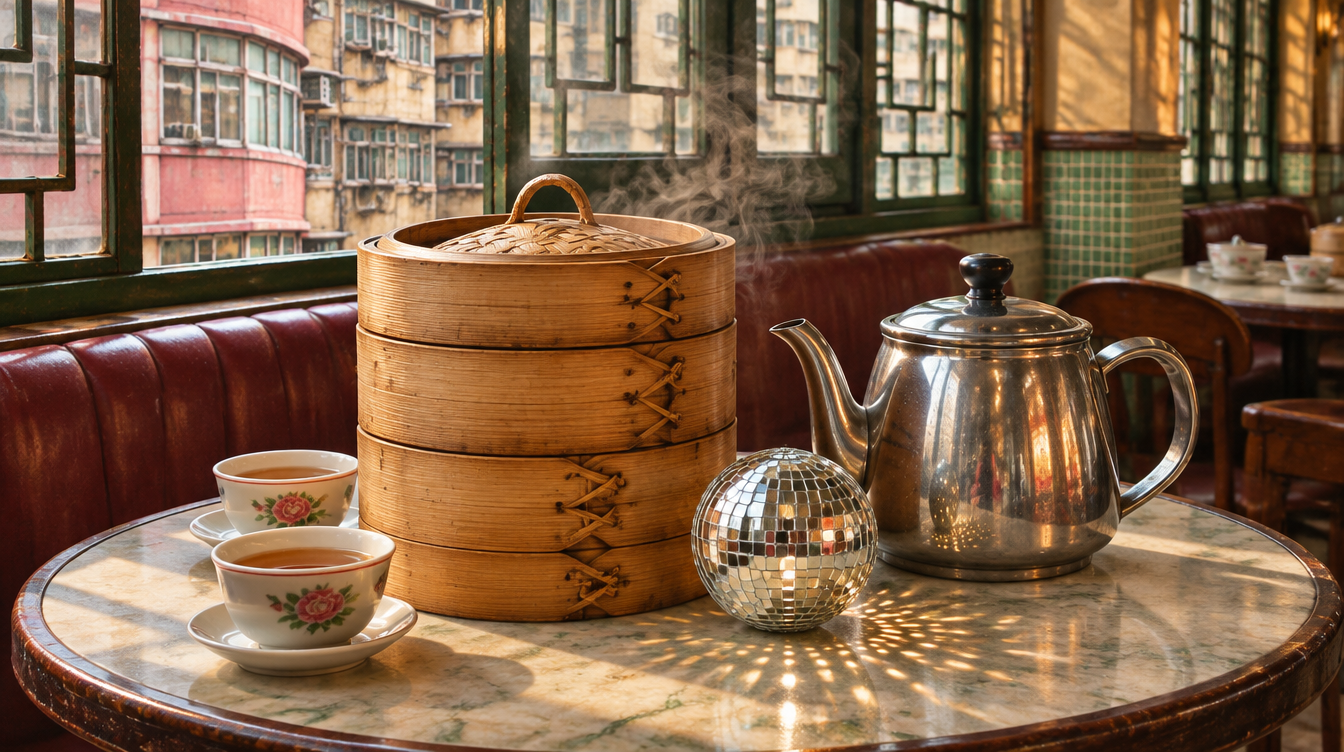
A teahouse put a disco ball over the yum cha trolley, and called it a dim sum rave
The clearest symbol of the shift is also the most Hong Kong. In the first half of 2026 a local teahouse began hosting dim sum raves, reported by Reuters in May: a DJ, a disco ball and shrimp dumplings, pitched squarely at drawing a younger crowd back into a format their grandparents own. It reads as a gimmick until you notice what it solves. Yum cha is daytime, cheap, social and sober by default, which is to say it is already everything a twenty-something going-out budget now wants, minus the music. Adding a beat does not cheapen the tradition so much as it translates it, and the queue of people filming it for their feeds is the point, not the side effect.
Coffee raves sell the rush without the hangover
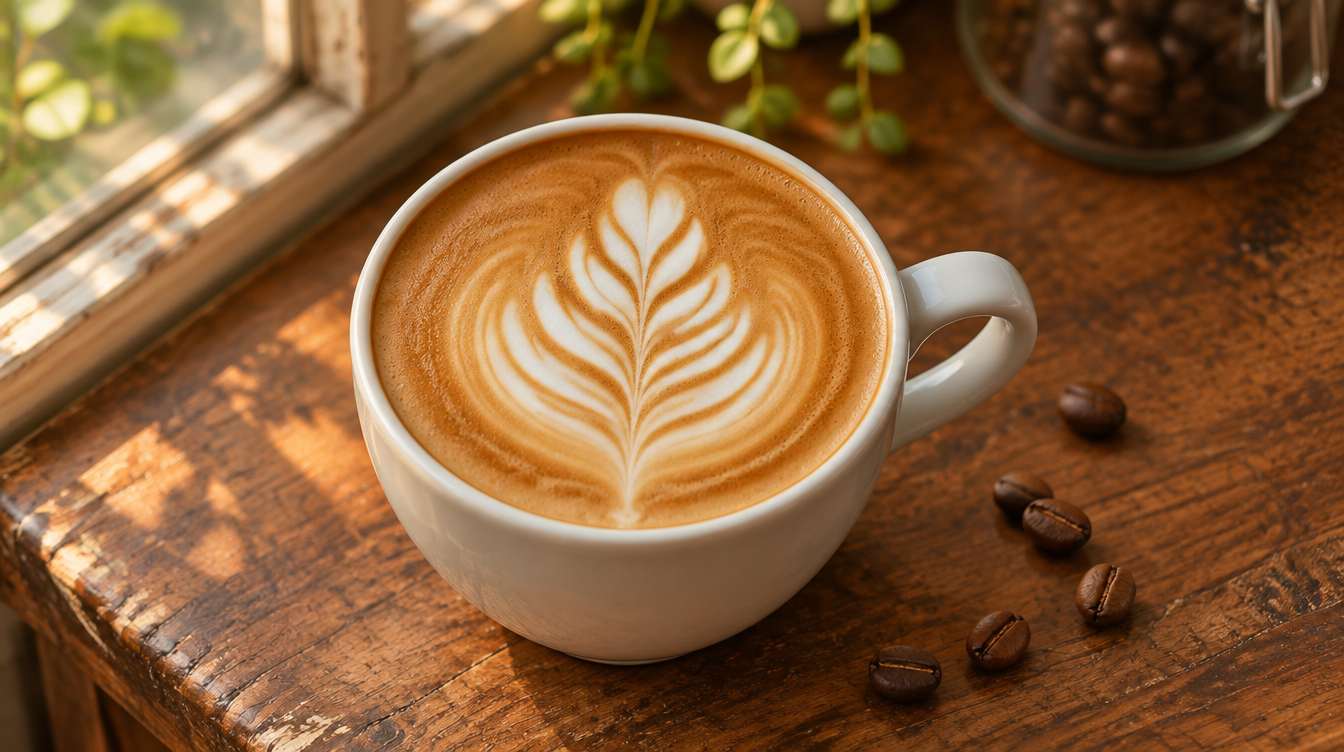
The other half of the daylight scene runs on caffeine. Coffee raves, a format Tatler, Sassy and The Beat have all tracked across Hong Kong this year, are exactly what they sound like: a proper sound system and a dancefloor, in a cafe or a daytime space, with a flat white where the vodka soda would be. The Beat logged Sip and Slice as the city's first Italian-inspired day coffee rave; the trade press has called the wider movement the buzz without the booze. The appeal is not complicated. You get the dancefloor, the crowd and the set, you spend a fraction of a club tab, and you walk out into daylight able to function for the rest of the day, part of the same recovery-minded way of going out that has taken hold across the city.
Hong Kong is drinking less per head, and that is the engine
None of this is a mood; it is a measurable shift in how much this city drinks. Per-capita alcohol consumption in Hong Kong fell to about 2.24 litres of pure alcohol in 2023, down roughly 22% from 2.87 litres in 2017, and the sober-curious habit is strongest among exactly the age group filling the day parties. A lighter relationship with alcohol does not mean staying in; it means the going-out occasion has to offer something other than the drink. A format that is social, photogenic and cheap, and that leaves you clear-headed, is not a compromise for this crowd. It is the preference.

Bars losing share of a growing sector is a routing story, not a death
The headline that gets quoted is that Hong Kong bars took a 4.0% fall in receipts in the first quarter of 2026. Printed alone it reads like decline, but it is only half the fact: over the same quarter total restaurant receipts rose 1.1%, and non-Chinese restaurants rose 2.8%. Spending did not leave the sector; it moved around inside it, toward food, toward daytime, toward formats that are not a late bar tab. Put that next to Gen Z's roughly HK$50 billion a year in spending power and the picture is not a generation that stopped going out. It is a generation routing the same money to a different hour, and the bars feeling it are the ones that only sell the old one.
The night out in Hong Kong is not shrinking. It is being re-timed, and the rooms that read the daylight early are the ones that will still be full in five years.
Why daylight wins here: the last train, the bill, and a city that starts early
Three very Hong Kong pressures explain why the afternoon is winning. The first is the way home: the MTR stops around one in the morning, so a true night out now ends in a taxi, and a day party that finishes at eight lets you take the train and keep the fare. The second is the bill, in a city where a club tab climbs fast and a HK$50 billion generation is deliberate about where it goes. The third is simply time: a work culture that starts early does not love a four-a.m. finish, and a Saturday that begins at two and ends by dinner leaves the rest of the weekend intact. Daylight is not a trend borrowed from somewhere else. It fits the actual constraints of going out in this city.
What a daytime scene means for the night, and the rooms that run it
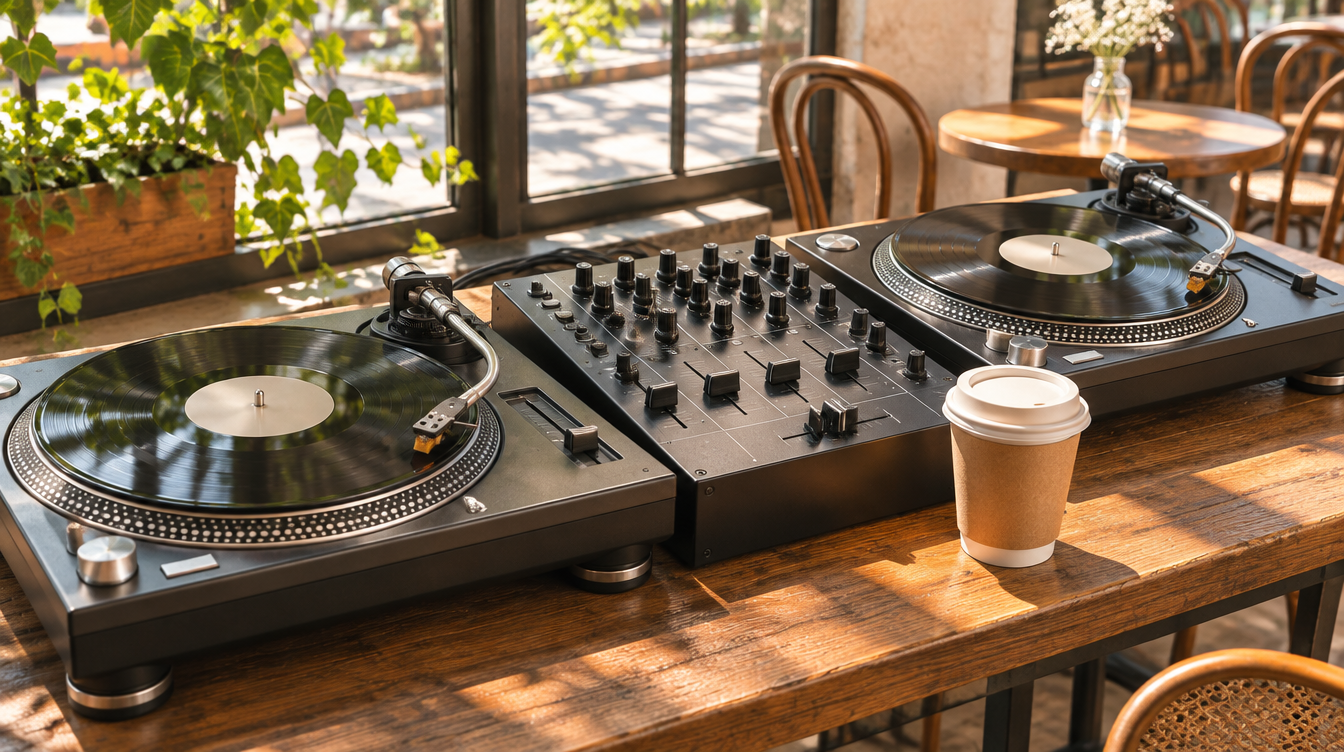
For anyone who runs a room, the lesson is not to abandon the night; it is that the week now has more slots than it did. The same space can be a coffee rave at two and a club at midnight, and the crowd that came for the afternoon is the one you want back after dark. For anyone going out, the daytime scene is the easiest on-ramp there is: no queue to beat, no two-drink minimum to clear, no 2am decision about the ride home. Start in daylight and you will understand this city's night faster than any guide can teach you, because you will have seen where the room's energy actually comes from before the lights go down.
If you only do one thing: try the daylight before you write it off
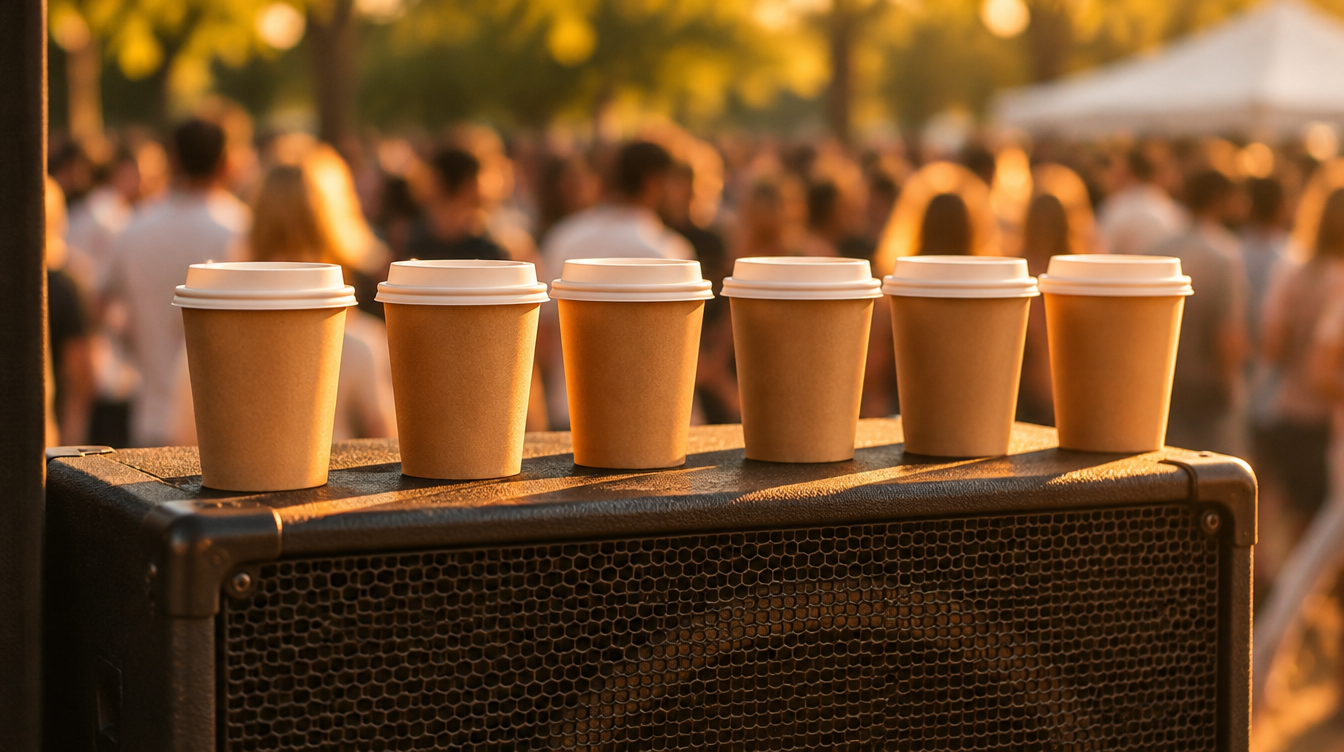
One line to carry out of this. Hong Kong's party is not getting smaller, it is getting earlier, and the dim sum rave and the coffee rave are not novelties so much as the clearest read yet on what a generation that drinks less actually wants from a night out. The city that invented yum cha turning it into a dancefloor is, if you think about it, exactly the kind of thing only Hong Kong would do. Go once, in daylight, before you decide it is not for you. And send this to the friend in the group chat who still thinks a night out cannot start before ten.
Sources
- The Star / Reuters, 'Teahouse's dim sum raves aimed at reviving Hong Kong's appeal for the younger generation' (11 May 2026). · 25 November 2026
- Tatler Asia, 'Coffee raves are redefining nightlife for the sober-curious and Gen Z'. · 25 November 2026
- Sassy Hong Kong, 'Hong Kong's Latest Nightlife Trend? Sober-Friendly Coffee Raves'. · 25 November 2026
- The Beat Asia, 'Sip & Slice, Hong Kong's First Italian-inspired Day Coffee Rave'. · 25 November 2026
- Census and Statistics Department, Quarterly Survey of Restaurant Receipts, Q1 2026 (6 May 2026): total receipts +1.1%, bars -4.0%, non-Chinese restaurants +2.8%. · 25 November 2026
- Hong Kong Department of Health (Change4Health) / WHO: per-capita alcohol consumption about 2.24 litres (2023), down from 2.87 litres (2017). · 25 November 2026
- Publicis Groupe Hong Kong, 'Gen Z Pulse' report: Hong Kong Gen Z spending power about HK$50 billion a year. · 25 November 2026
- The Standard, 'Coffee raves set Hong Kong abuzz among Gen Z'. · 25 November 2026
- Saladplate, 'The Buzz Without the Booze: Inside Asia's Caffeine-Fuelled Day Rave Movement'. · 25 November 2026
Frequently asked
- What is a dim sum rave in Hong Kong?
- A dim sum rave is a daytime party held in a Hong Kong teahouse, combining yum cha with a DJ and a disco ball. Reuters reported a local teahouse running them in May 2026 to draw younger customers back to the format. (Checked 25 November 2026.)
- What is a coffee rave?
- A coffee rave is a daytime dance party with a full sound system but no alcohol, held in a cafe or daytime space, with coffee in place of drinks. Hong Kong has run several across 2026, including the Italian-inspired Sip and Slice. (Checked 25 November 2026.)
- Are young people in Hong Kong drinking less?
- Yes. Per-capita alcohol consumption in Hong Kong fell to about 2.24 litres in 2023, down roughly 22% from 2.87 litres in 2017, and sober-optional daytime formats like coffee raves are aimed at exactly that shift. (Checked 25 November 2026.)
- Are Hong Kong bars in decline?
- Not simply. Bar receipts fell 4.0% in the first quarter of 2026, but total restaurant receipts rose 1.1% over the same quarter, so spending is moving toward food and daytime formats rather than leaving the sector. (Checked 25 November 2026.)
- Where can I find day parties and coffee raves in Hong Kong?
- They are run by promoters and pop up in different rooms, so the next date lives on each organiser's own social account rather than a fixed venue calendar. Follow the crew, not the venue. (Checked 25 November 2026.)