
Hong Kong Bar Receipts Grew 1% in Q3 2026, Their First Rise After Two Falling Quarters
Bar takings rose 1.0% in the third quarter of 2026, the first increase after two quarters of decline, even as Hong Kong's restaurants as a whole grew more than three times as fast.

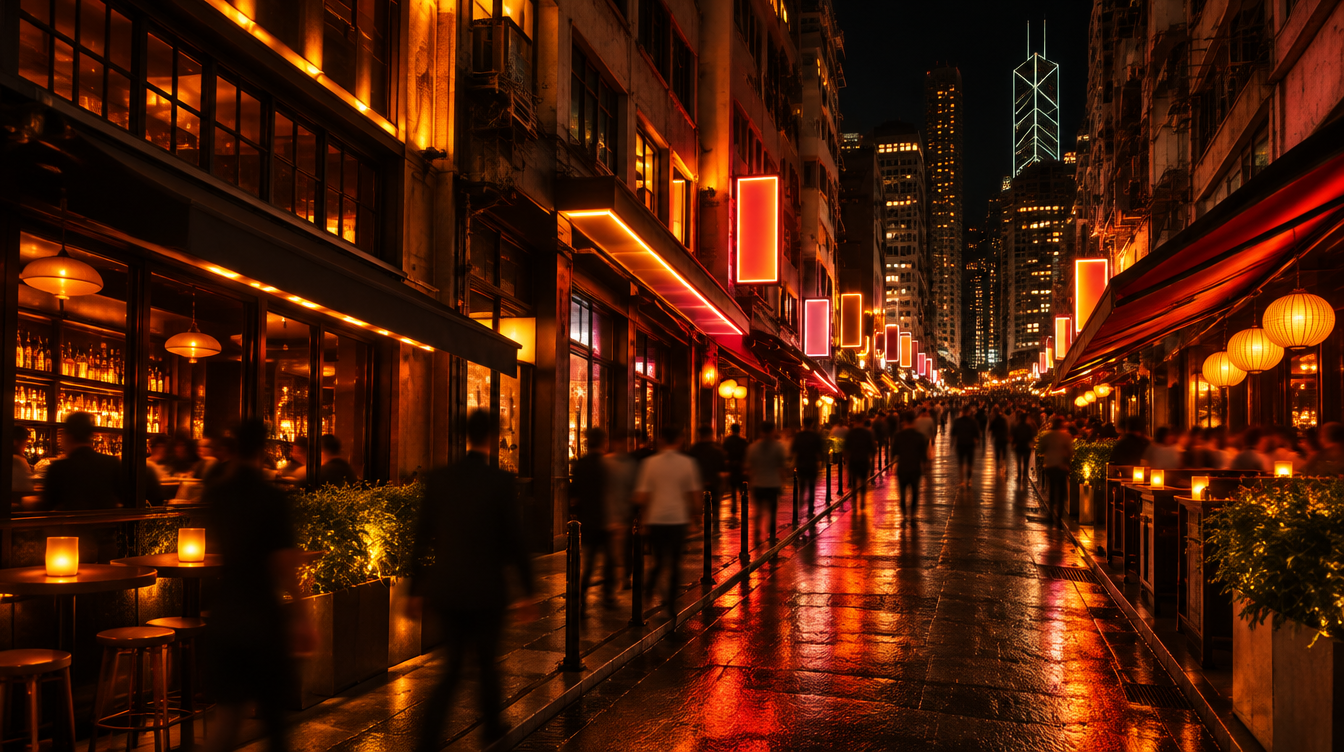
Hong Kong's bars grew again in the third quarter of 2026. Receipts across the bar category rose 1.0% in value and 0.2% in volume against the same quarter last year, according to the provisional restaurant figures the Census and Statistics Department released on 3 November 2026. After the bar category fell 4.0% in the first quarter and 3.8% in the second, that small positive number is the first good quarter the city's bars have had all year.
It is worth saying plainly, because the one-line version of Hong Kong nightlife has been a funeral for about two years. The rooms are not empty. The money is not gone. What has changed is where it lands, and the Q3 numbers are the clearest picture yet of a going-out economy that is growing around its bars faster than it is growing through them.
Bar receipts turned positive, but only just
The bar line in the release is the one we read first, and this quarter it finally points up. Bars took 1.0% more in value and 0.2% more in volume than in the third quarter of 2025. That is growth, and after the year bars have had, it counts as news. But hold it next to the two quarters before it. In the first quarter of 2026 bar receipts fell 4.0%; in the second they fell 3.8% in value and 4.6% in volume. Read the three numbers in a row and you get the real shape: minus four, minus four, plus one. The bar is not booming. It has stopped bleeding.
The 0.2% volume figure is the honest one. Value rose a little faster than volume, which means the average bar bill crept up rather than more rounds being poured. People are not suddenly going out more; the ones who go are spending fractionally more when they do. For an operator staring at a rent review, that is the difference between a recovery and a reprieve.
The sector around the bars grew more than three times faster
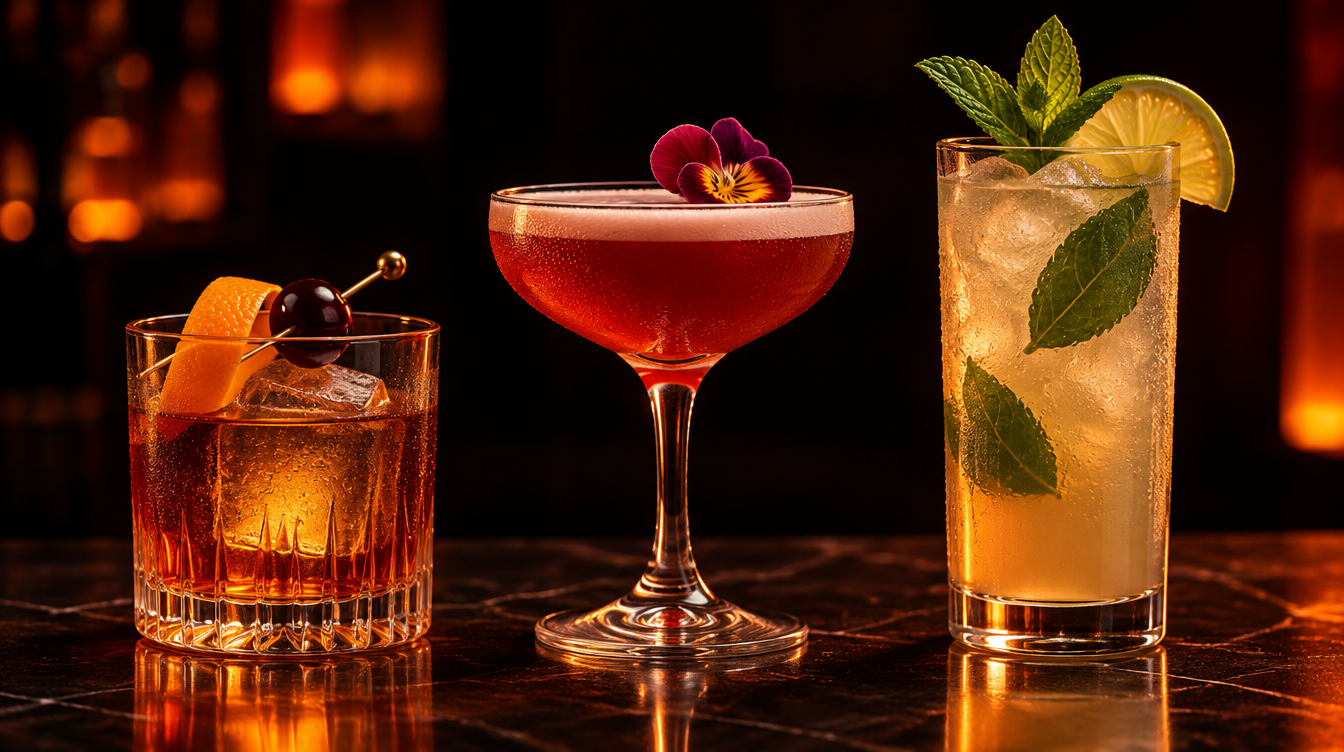
Now the context the bar number needs, because printing it alone tells a lie in either direction. Hong Kong's restaurants as a whole took HK$27.5 billion in the third quarter, up 3.1% in value and 2.1% in volume. Non-Chinese restaurants led everything at 7.1% in value and 6.1% in volume. Miscellaneous eating and drinking places rose 2.1%, Chinese restaurants 1.2%, and bars 1.0%, with fast food last and the only category where volume actually fell. Of the five categories the government counts, bars came fourth.
So the honest sentence is the two-sided one. Bars grew, and bars grew slower than almost everything around them. A rising tide lifted the sector 3.1%; it lifted bars a third of that. The gap between 7.1% at the non-Chinese restaurants and 1.0% at the bars is the whole story of Hong Kong nightlife in one subtraction: the night out is alive, and the spending is drifting toward the table and away from the counter.
This is a routing problem, not a demand problem
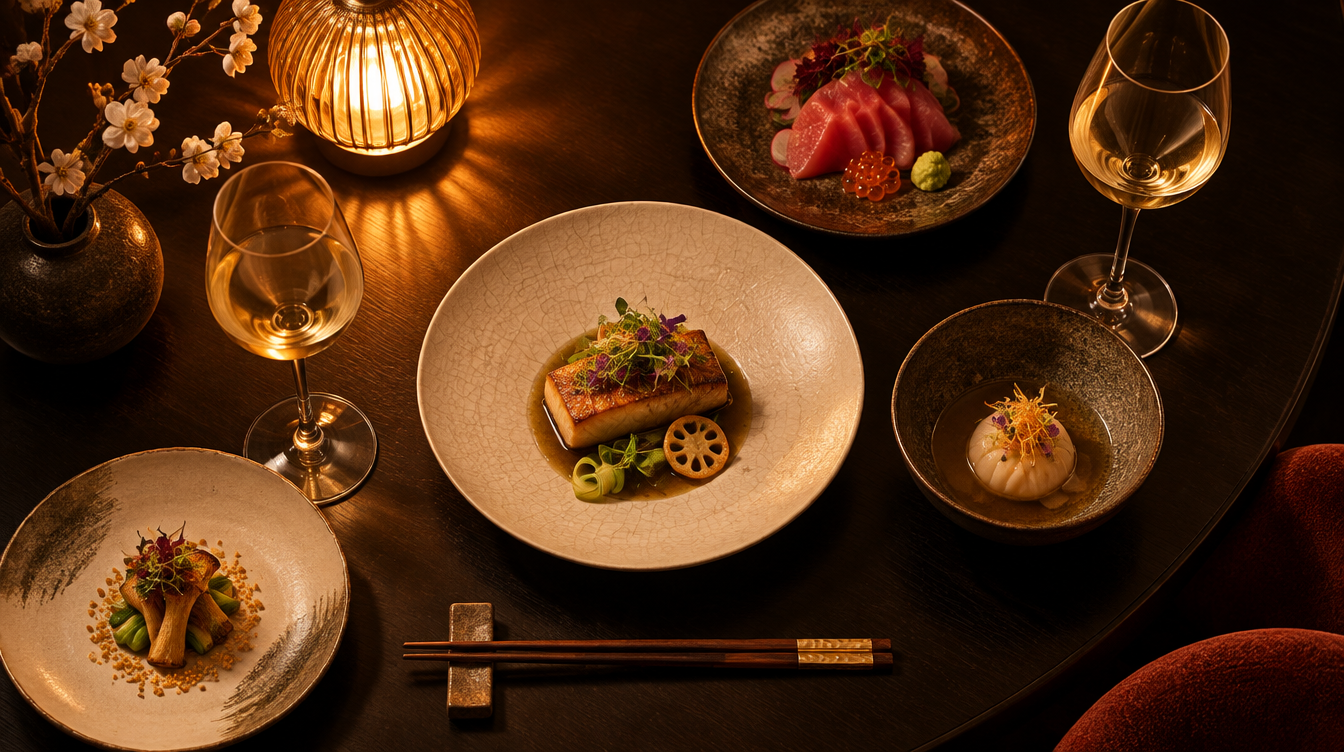
Here is the thing the raw figures do not say out loud, and the thing we would bet the blog on. The weakness in the bar line is not that Hong Kong has stopped wanting to go out. Visitor arrivals were up 13% across the first half of 2026, to 26.71 million, and the city is on course for well over fifty million for the year. The streets on a Saturday are not quiet. Demand is not the problem. Distribution is.
What has actually changed is spend per head and where it routes. By our own count across the rooms we work with, the average Lan Kwai Fong bill is down roughly a third from its pre-pandemic high even as the crowds came back, which means each person through the door is worth less than they used to be, and the room has to win the decision earlier in the night. A night out in 2026 is a sequence of choices made in a group chat at six o'clock, and the bars that are struggling are the ones that only enter the reader's mind at eleven. The money is there. It is being pointed somewhere else first.

The rooms that are routing well are full
You can see the other side of the same coin in the rooms that are thriving, because 2026 has been one of the best years Hong Kong's bar scene has ever had at the top. Bar Leone on Bridges Street has been named the best bar in the world on the World's 50 Best Bars list, the first Hong Kong bar ever to top it. Seven Hong Kong bars made the main Asia's 50 Best Bars list in 2026: Bar Leone, Gokan, Coa, Mius, Argo, Montana and Penicillin, with Tell Camellia on the extended list.
The most telling part of that roster is the youngest two. Mius on Gough Street and Montana on Hollywood Road did not exist in the middle of 2025, and both landed on Asia's 50 Best within a year of opening. That is not a scene in decline; it is a scene where the reward for getting the room right has rarely been higher, and the punishment for getting it wrong has rarely been faster. Receipts look flat on average because the average hides a widening gap between the rooms people search for by name and the rooms they walk past.
The night out is alive. The question every bar now wins or loses is whether it is the room the group chat picks at six, not the one it settles for at eleven.
The spirits duty cut is still working its way through
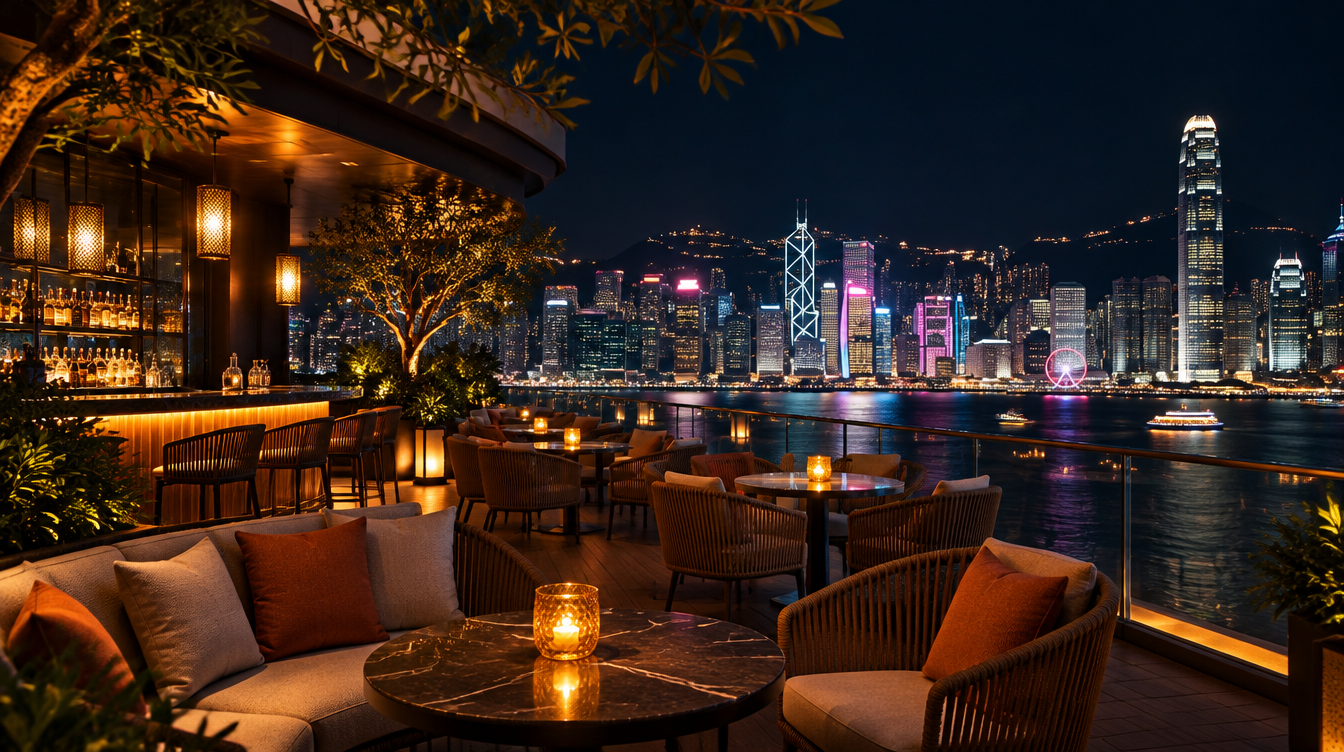
One policy sits underneath all of this and it is still only half-digested. On 16 October 2024 the government cut duty on strong spirits, from 100% to 10% on the portion of the import price above HK$200, for bottles up to a litre and above 30% alcohol. In the quarter that followed, spirits trading volume rose about 60% and imports about 15%, according to figures the commerce secretary gave in March 2025. On paper, cheaper high-end spirits should have flowed straight into the bars.
The ground truth is more mixed, and we print both sides because that is the honest position. The trade publication Vino Joy reported in May 2025 that premium sell-through had stagnated over the same window even as the headline trading figures jumped. The two are not in conflict; they measure different things, importers moving stock versus bottles actually leaving shelves at a profit. The duty cut moved the warehouse. Whether it has moved the bar bill is a question Q3's thin value growth has not yet answered.
What this means if you are deciding where to go tonight
Strip out the statistics and the practical reading is simple. Hong Kong is going out again, the good rooms are busy, and the spending is moving toward places that have earned the decision in advance. For a reader that is good news, because it means the city rewards knowing where you are going. Know what a door and a table actually cost before you leave, in Central, Lan Kwai Fong or SoHo.
So do the small amount of homework the winning rooms are counting on you not to do. Sort out how you are getting home before the trains stop, and pick the room on purpose rather than drifting into the first open door in Lan Kwai Fong. The bars that are growing are the ones readers choose at six. Be a reader who chooses.
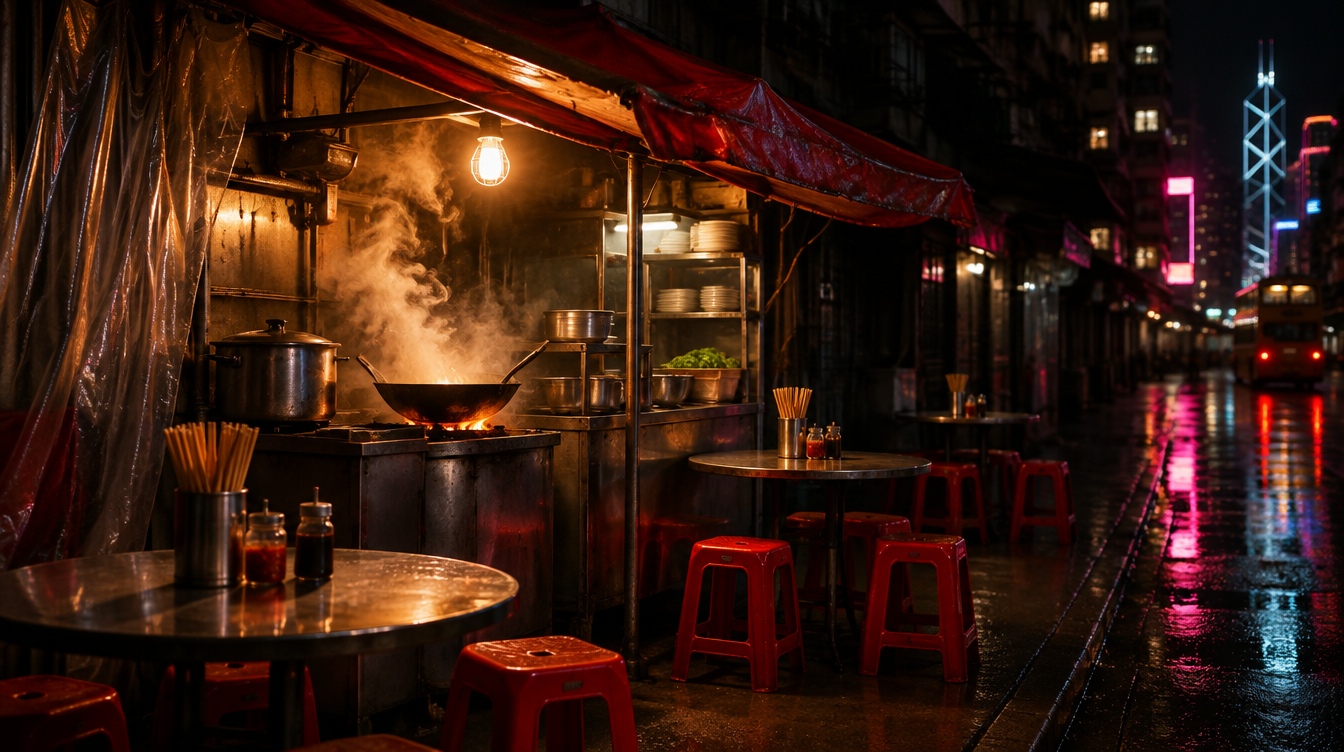
If you only do one thing tonight: pick the room before you leave the house, not on the pavement at eleven. And if the group chat is still arguing at half past six, send them this, because the whole point of the numbers above is that the night belongs to whoever decides first.
Sources
- Census and Statistics Department, provisional statistics of restaurant receipts and purchases, third quarter 2026 (total HK$27.5bn +3.1%; bars +1.0% value / +0.2% volume; non-Chinese restaurants +7.1%) · 3 November 2026
- Census and Statistics Department, provisional restaurant receipts, second quarter 2026 (bars -3.8% value / -4.6% volume) · 4 August 2026
- The Standard: Hong Kong sees 13pc surge in visitor arrivals in first half of 2026, reaching 26.71 million · 16 July 2026
- SCMP, via the Secretary for Commerce: spirits trading volume up about 60% and imports up about 15% in the quarter after the 16 October 2024 duty cut · 4 March 2025
- Vino Joy News: premium spirits sell-through reported stagnant over the same post-duty-cut period · 14 May 2025
- Asia's 50 Best Bars 2026: seven Hong Kong bars on the main list (Bar Leone, Gokan, Coa, Mius, Argo, Montana, Penicillin); Bar Leone also the World's 50 Best Bars No. 1 · 28 July 2026
- Census and Statistics Department, provisional restaurant receipts, first quarter 2026 (bars -4.0% value; total HK$28.4bn, +1.1%) · 6 May 2026
- Census and Statistics Department, provisional restaurant receipts, fourth quarter and whole year 2025 (full-year bar receipts +1.7% value / +0.5% volume) · 3 February 2026

Ask Buzz
- Did Hong Kong bar receipts grow in Q3 2026?
- Yes. Hong Kong bar receipts rose 1.0% in value and 0.2% in volume in the third quarter of 2026 against a year earlier, according to the Census and Statistics Department release of 3 November 2026. It was the first rise after bars fell 4.0% in Q1 and 3.8% in Q2 2026. (Checked by Mandos News, 9 November 2026.)
- How much did Hong Kong restaurant receipts total in Q3 2026?
- Total restaurant receipts in Hong Kong were HK$27.5 billion in the third quarter of 2026, up 3.1% in value and 2.1% in volume year on year, according to the Census and Statistics Department provisional figures released on 3 November 2026. (Checked by Mandos News, 9 November 2026.)
- Which type of restaurant grew fastest in Hong Kong in Q3 2026?
- Non-Chinese restaurants grew fastest, up 7.1% in value and 6.1% in volume in the third quarter of 2026, ahead of miscellaneous eating and drinking places (2.1%), Chinese restaurants (1.2%), bars (1.0%) and fast food (0.6%), per the Census and Statistics Department, 3 November 2026. (Checked by Mandos News, 9 November 2026.)
- Did Hong Kong's spirits duty cut lower drink prices?
- Not clearly at the bar. The October 2024 cut lowered duty to 10% only on the portion of a spirit's import price above HK$200 (bottles up to one litre, over 30% alcohol); spirits trading volume rose about 60% afterwards, but Vino Joy reported premium sell-through stayed flat over the same period. It helps rare bottles far more than a house pour. (Checked by Mandos News, 9 November 2026.)
- Are Hong Kong bars recovering in 2026?
- Partly. Bar receipts returned to growth in Q3 2026 (up 1.0%) after two falling quarters, but grew slower than the restaurant sector overall (3.1%). Visitor arrivals rose 13% in the first half of 2026, so the pressure on bars is where spending routes rather than a lack of demand. (Checked by Mandos News, 9 November 2026.)